How to Find the Right General Contractor
Blog post description.
12/27/20253 min read

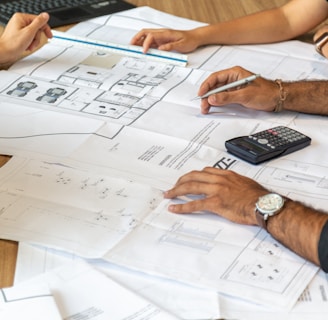
How to Find the Right General Contractor (Without Losing Your Mind)
Finding the right general contractor can feel like trying to pick the “best” option from a crowded shelf with labels that all look the same. You’re excited about the project—new home, renovation, addition—but also aware that one wrong hire can turn your timeline and budget into a slow-motion disaster.
The good news: you don’t need to be a construction expert to make a smart choice. You just need a clear process, a few non-negotiables, and the discipline to compare contractors based on facts—not vibes.
Here’s a practical guide to help you choose a general contractor with confidence.
Visit https://bidaible.com for more info.
What a General Contractor Actually Does (And Why It Matters)
A general contractor (GC) is the person responsible for making the whole project move—from planning through completion. They supervise the job site, coordinate subcontractors (electricians, plumbers, framers, etc.), and make sure the work meets local building codes and inspection requirements.
More importantly, your GC is usually your main point of contact. A strong contractor will help you:
Stay realistic on timelines
Avoid budget surprises
Make smart decisions when tradeoffs show up (and they will)
Keep the project organized and accountable
If your project is a puzzle, the GC is the one making sure the pieces actually fit—and that nobody “forgets” a piece until the last week.
The 5 Criteria That Separate Pros From Problems
When you’re evaluating general contractors, these are the areas that matter most.
1) Licensing and insurance
Make sure they’re licensed to work in your state (and for the type of work you’re doing). Confirm they carry the right insurance—typically general liability and workers’ comp. This isn’t paperwork theater; it’s protection for you if something goes wrong.
2) Relevant experience
You want someone who has done projects like yours—not just “construction” in general. A contractor who builds custom homes might not be the right fit for a complex remodel, and vice versa. Experience reduces mistakes, delays, and improvisation.
3) References and reviews
Ask for recent client references and actually call them. Look for patterns in reviews—especially around communication, schedule reliability, and how they handled changes or surprises.
4) Communication (the hidden deal-breaker)
You’re going to talk to this person a lot. Pay attention to whether they listen well, explain clearly, and respond in a reasonable timeframe. If the communication is sloppy before the contract is signed, it rarely improves after.
5) Detailed, transparent estimates
A solid contractor should provide an estimate that clearly outlines scope, timeline assumptions, materials, and costs. Vague bids create future conflict. Clear bids create alignment.
Where to Find Contractors Worth Talking To
Start with multiple channels so you don’t end up with a shortlist that’s basically “whoever had good SEO.”
Online directories and review platforms
Social media and local community groups
Word of mouth from neighbors, friends, realtors, or suppliers
Driving by completed projects and asking who built them
If possible, go see work they’ve completed. Photos are nice. Real buildings are better.
How to Talk to Contractors (So You Get Real Answers)
Once you have a shortlist, schedule consultations and treat them like interviews—because that’s what they are.
Bring your project goals, any drawings or specs you have, and be ready to discuss:
Expected start date and projected duration
How changes are handled (process + pricing)
Who will be on-site daily (the GC or a foreman)
How communication works (text/email/weekly meetings)
What they need from you to avoid delays
You’re not just hiring skill—you’re hiring a process.
Comparing Bids: Don’t Just Look at the Bottom Line
When bids come in, don’t default to “lowest wins.” That’s how people accidentally buy stress.
Instead:
Create a simple comparison chart (scope, timeline, allowances, exclusions, payment schedule)
Confirm each bid covers the same tasks (missing scope = future change orders)
Compare material quality and specifications, not just totals
Review payment terms and milestone structure
Re-check references—especially if something feels off
A systematic comparison keeps things fair, transparent, and way less emotional.
The Bottom Line
A good general contractor doesn’t just “build.” They manage complexity, reduce risk, and keep your project from drifting into chaos. If you evaluate licensing, experience, references, communication, and estimate clarity—and you compare bids methodically—you’ll dramatically increase your odds of a smooth, successful project.
Your future self (and your budget) will thank you.
https://bidaible.com
© 2025. All rights reserved.